
Residential Service
Concrete Pavers in Cypress, TX
Paver patios, driveways, walkways, and decorative borders installed over a prepared base with proper edge restraint.
Overview
What This Service Covers
Concrete pavers are manufactured units set over a compacted base and bedding layer rather than poured in place. Because the surface is made of individual pieces, the joints absorb small movement, individual units can be lifted and reset, and pattern and color options are far broader than with a poured slab.
Paver work lives or dies on the base beneath it. Our installations focus on excavation depth, compaction, bedding, and edge restraint — the parts nobody sees but that determine whether the surface stays flat and tight over time.
Every project starts on the CXS Concrete Solutions side with a walk of your property in Cypress, TX or a nearby community, followed by a written estimate.
Fit
Who a Paver Project Is For
- Homeowners who want more color, pattern, and texture than poured concrete offers
- Properties where a surface may need to be lifted later for access to utilities
- The Woodlands and Bridgeland homes with detailed landscape design expectations
- Owners wanting a defined border or accent band around a poured patio or drive
- Front entries, courtyards, and garden paths where appearance matters most
- Projects where a phased, section-by-section install is preferred
Scope
Common Paver Project Options
- Paver patio
- A full backyard patio in a running bond, herringbone, or modular pattern.
- Paver driveway or apron
- A paver surface or entry apron using units suited to vehicle traffic.
- Paver walkway
- Front walks and garden paths with defined edges and clean curves.
- Border and banding
- A soldier course or contrasting band framing poured concrete.
- Courtyard or entry landing
- A detailed paver surface at the front door or gated courtyard.
- Steps and landings
- Paver-faced steps and transitions between grade changes.
Groundwork
Paver Base Preparation
Nearly every failed paver installation comes back to the base. Excavation depth, base material, compaction in lifts, bedding consistency, and edge restraint are the core of the job, and the right depth depends on the soil and the loads at your property.
Preparation checklist
- Excavation to the depth the use and soil condition call for
- Base material placed and compacted in lifts rather than all at once
- A consistent bedding layer screeded before units are set
- Edge restraint installed so the field can't spread over time
- Slope set so water sheds off the surface instead of collecting
- Joint sand and, where appropriate, stabilizing sand worked into the joints
Material and Pattern Considerations
Paver selection is driven by use as much as looks. Units and patterns appropriate for a garden path aren't necessarily right for a driveway, and we walk through those trade-offs during the estimate.
- Paver unit type and thickness matched to pedestrian or vehicle use
- Pattern selection, since interlocking patterns behave differently under load
- Color blends and how they weather outdoors over time
- Border and accent units for definition at the edges
- Permeable options where drainage is a specific concern for the site
- Base and bedding materials selected for the soil conditions on your property
Appearance
Paver Appearance Options
- Herringbone
- A strongly interlocked pattern often chosen where vehicle loads are involved.
- Running bond
- A clean, linear layout that suits walkways and rectangular patios.
- Modular / random
- Mixed unit sizes for a more organic, natural-stone appearance.
- Soldier course border
- A perimeter row that frames the field and finishes the edges.
- Tumbled or textured units
- Softened edges and surface texture for an aged look.
- Color blends
- Multi-tone blends that hide staining better than a single flat color.
Gallery
Paver Project Gallery
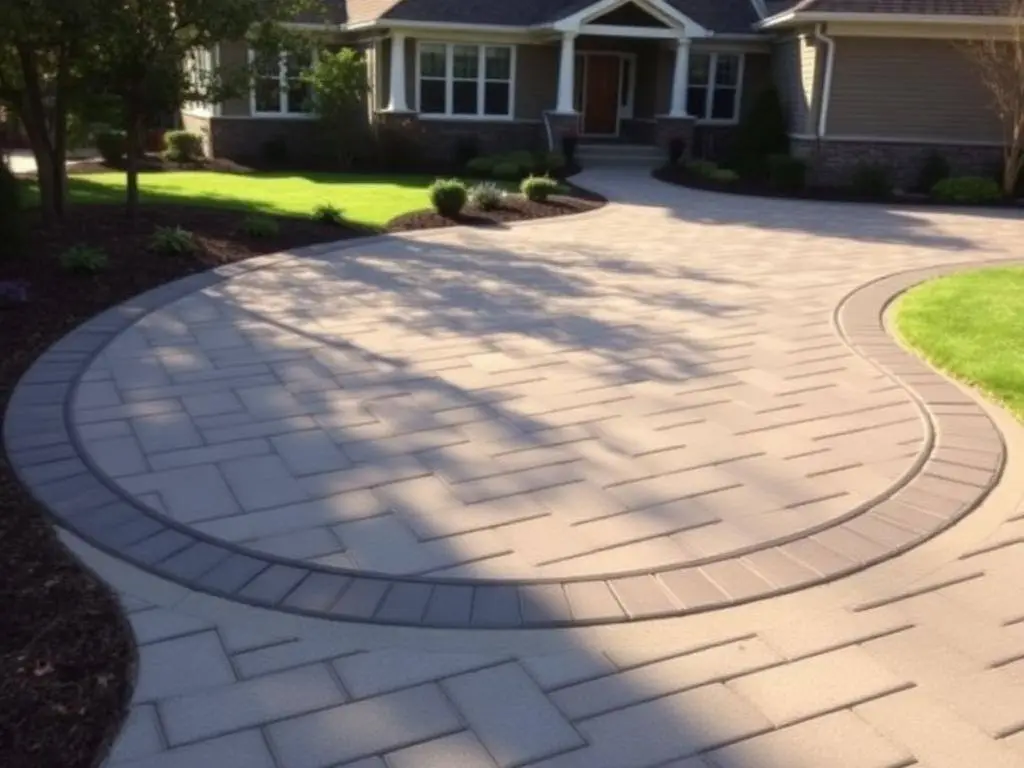
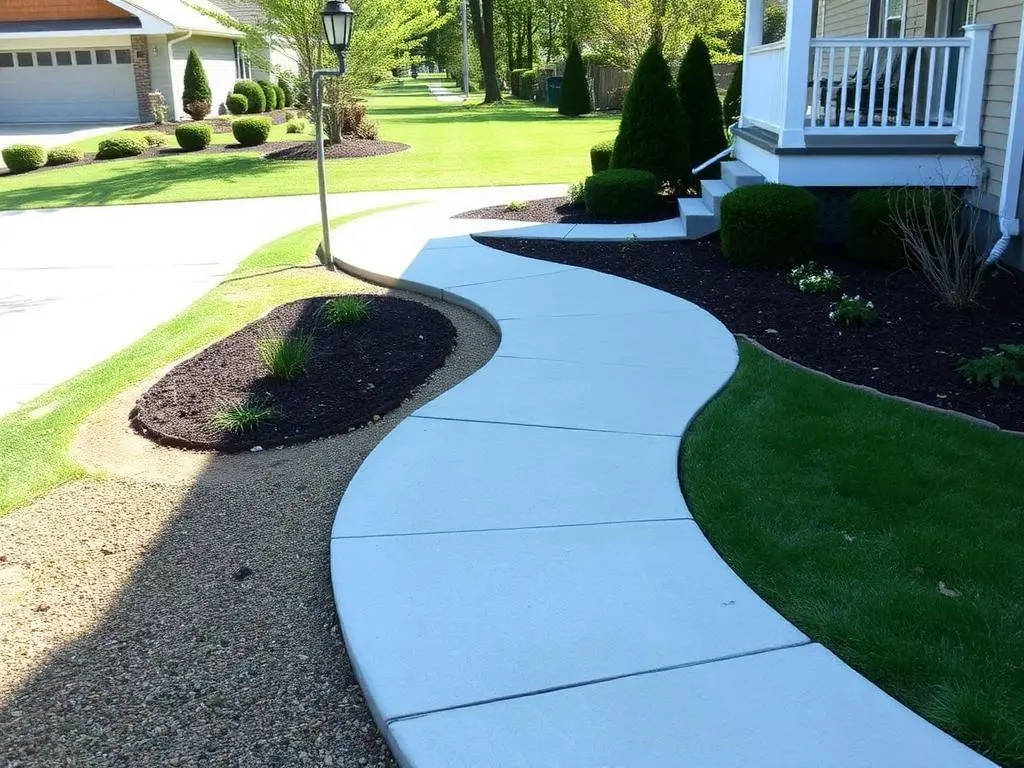
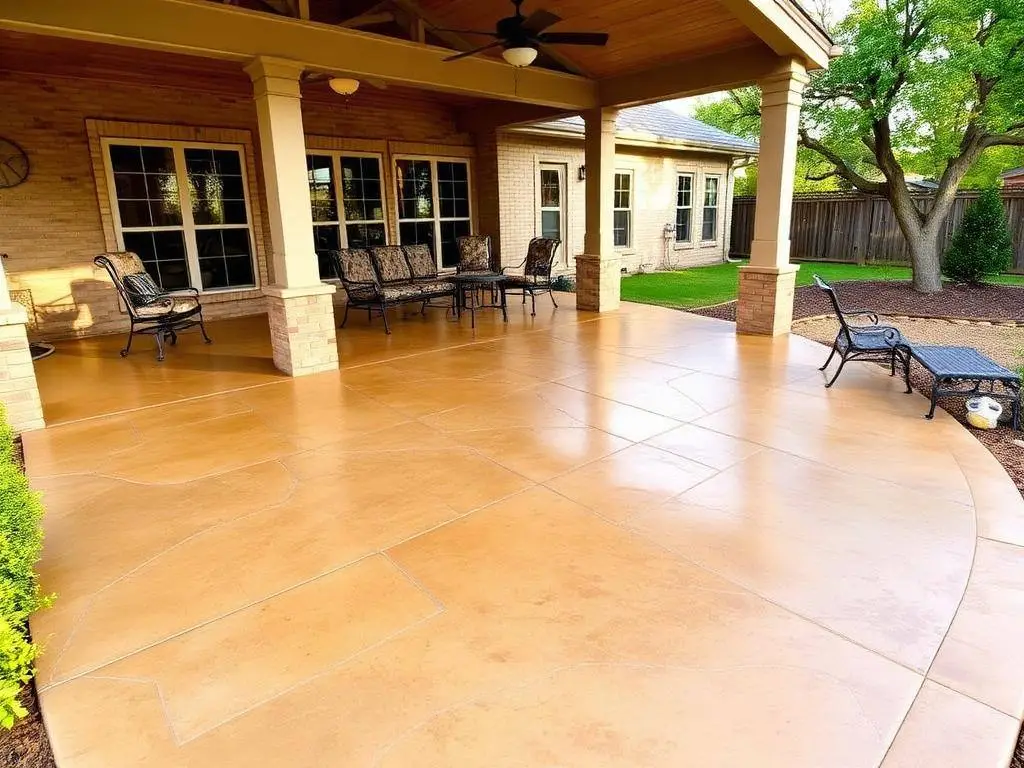
Representative examples of paver patterns and borders. Actual CXS installations replace these as projects are photographed.
Investment
What Affects Paver Pricing
Paver projects carry more material and labor per square foot than poured flatwork, and the base work below the surface is a real part of the cost.
- Square footage and how complex the layout and curves are
- Paver unit selection, thickness, and color blend
- Excavation depth and volume of base material required
- Pattern complexity and the amount of cutting involved
- Borders, banding, steps, and transitions
- Site access and how far material has to be moved by hand
- Removal of an existing surface, if one is there
We don't publish prices for this service. Pricing comes from a site visit and a written estimate specific to your property.
Process
Typical Paver Project Process
- Step 01
Estimate request
Send the area, intended use, and any paver styles you're drawn to.
- Step 02
Site visit and selection
We measure, review the layout, and narrow paver and pattern options.
- Step 03
Written scope
An estimate that specifies units, pattern, base approach, and edge restraint.
- Step 04
Excavation and base
Excavation, base placement, compaction in lifts, and bedding.
- Step 05
Laying and cutting
Setting the field, cutting edges, and installing borders and restraints.
- Step 06
Joint sand and walkthrough
Sanding the joints, final compaction, cleanup, and a review with you.
Aftercare
Paver Maintenance and Aftercare
Pavers are the easiest surface to repair because units can be lifted and reset. Most upkeep is about joints and cleanliness.
What we ask of you
- Sweep and rinse periodically; keep organic debris out of the joints
- Top off joint sand as needed over the years
- Address weeds or ants in joints early before they loosen units
- Consider sealing for stain resistance and color depth, if we recommend it
- Call us for spot resets rather than tolerating a settled area
Learn more before you decide
How base prep, cost, and repairability differ between the two surfaces.
Concrete Resources: pavers vs. poured concreteCoverage
Where We Provide This Service
Serving Cypress, TX and nearby communities. Estimates by appointment.
Questions
Concrete Pavers FAQs
Get a written estimate for your concrete pavers project
Send project details and photos and we'll follow up to schedule a site visit in Cypress or a nearby community.